Life is soooo easy these days. Swiping a finger across a glowing screen can send messages, select restaurants, search the world for new information, and a myriad of other actions of wonder. “Texter’s thumb” is even a slightly outdated term. Like George Jetson, exhaustion awaits in the doing of every digital selection on my cell phone.
Back in the day, when we lived in black and white, and then transitioned our lives to color, there were … Hmm, the term evades me – – analog devices that we were able to operate, with a reasonably increased effort beyond finger pokes and swiping. For sharing sights of travel, people (pets are part of that), art or grand vistas, we had cameras.
Reclaiming my enjoyment of film (this thin plastic material that makes pictures), Sharon and I have made a thrifty adventure of buying vintage cameras that were worth their weight in silver halide crystals. Here’s the growing family.
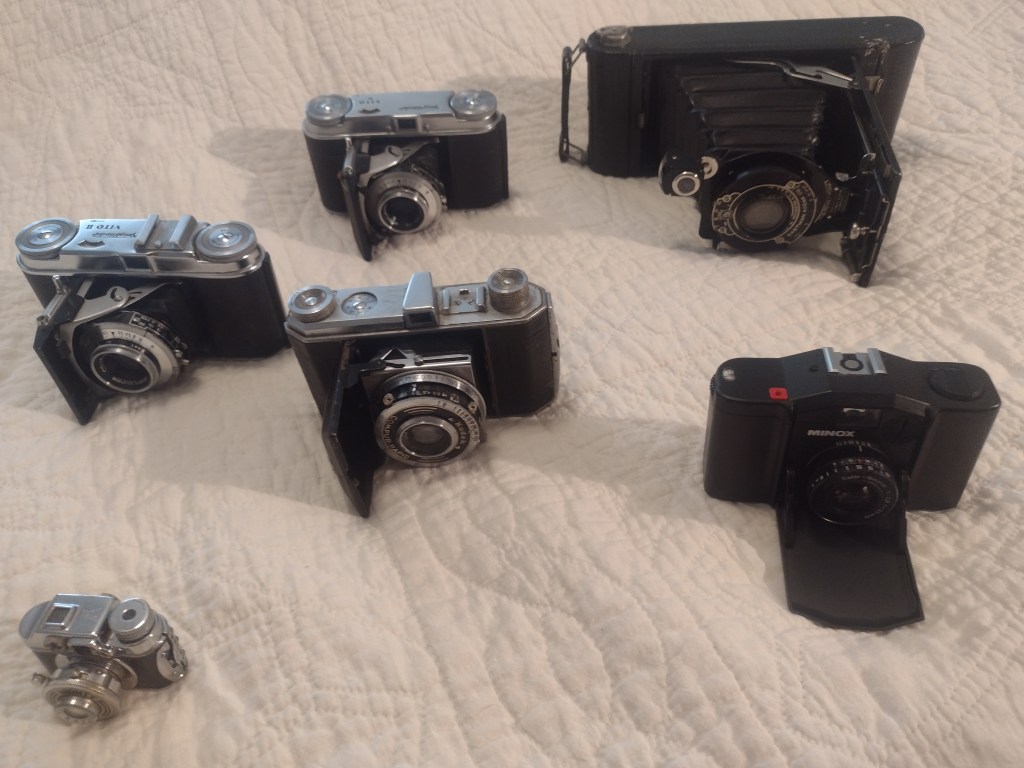
I have already begun filming up the two Voigtlander Vito II twins, and also the Kodak Retina type 1 126.
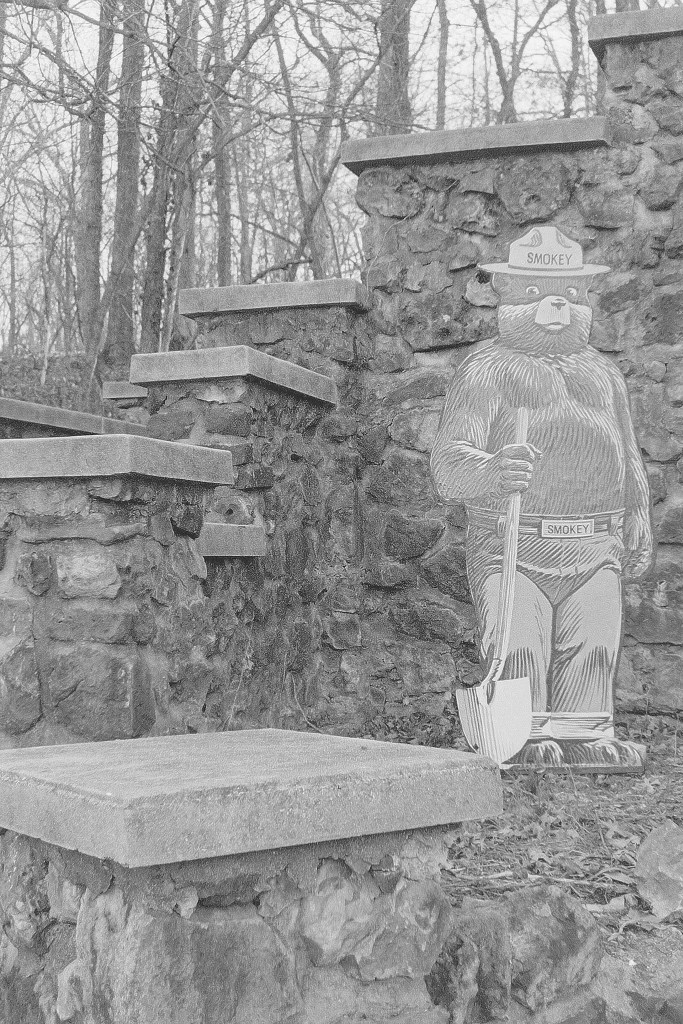
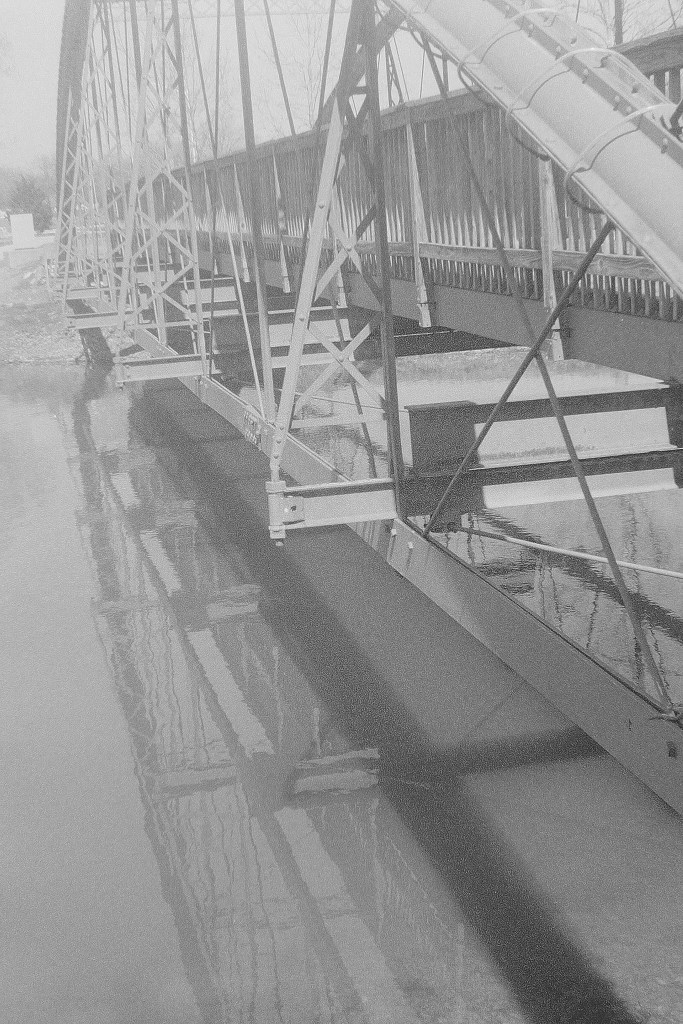
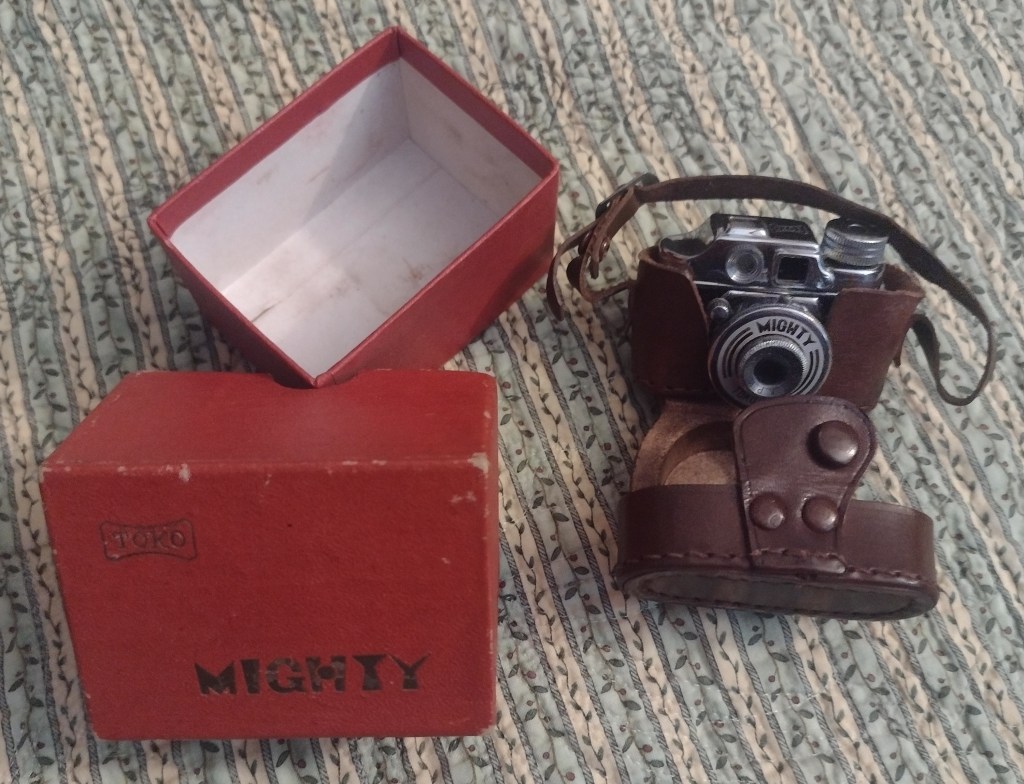
Any-who. Back to the family. Our newest baby is the Toko Mighty, a 1950s camera actually stamped with “Made in Occupied Japan.” Post WWII forces kept the nation from rebuilding military might. Much of the industrial complex and resources were destroyed by war. These cameras worked, and were made primarily of stamped tin, because of scarcity of iron and aluminum. A teeny roll of film could be prepared for still shooting pics with it.
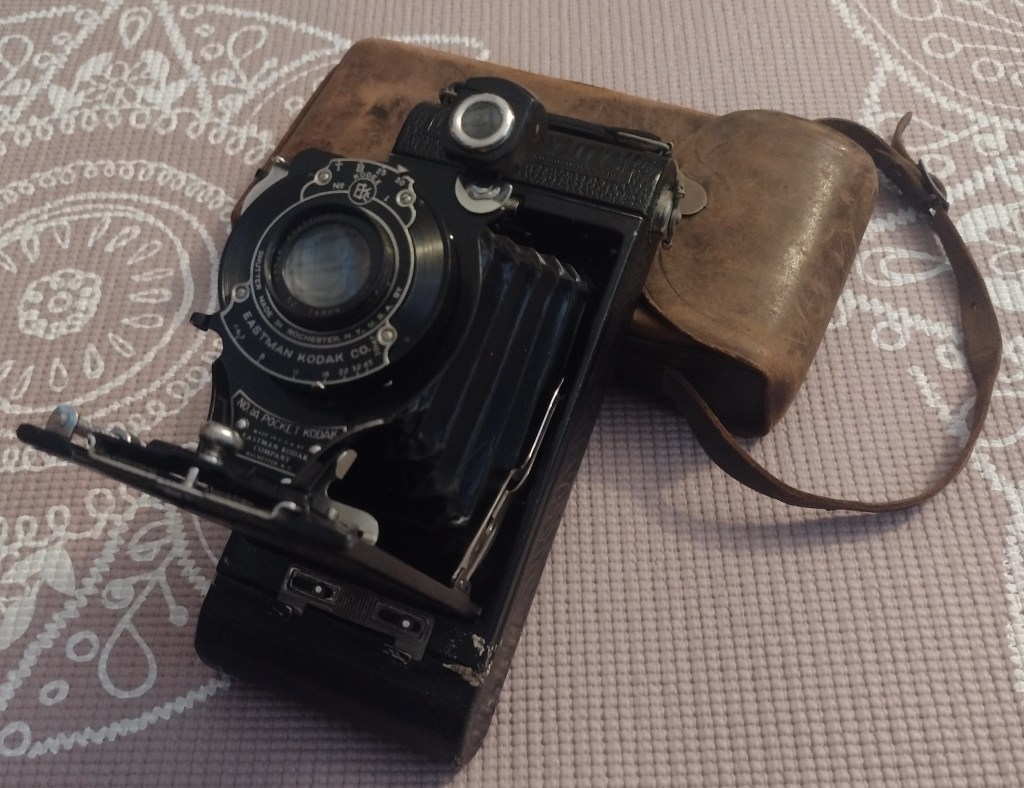
The big athlete of the family is the Kodak 1A Pocket Camera, from about 1926. Earliest versions of these Pocket Cameras were in people’s hands more than a century ago, thanks to Eastman Kodak. ‘Autographic’ film had been produced so that a tiny door on the back could be opened, and a caption scratched directly onto the film paper; the camera was held in the light for a time, and picture of the caption was recorded as part of the photograph.
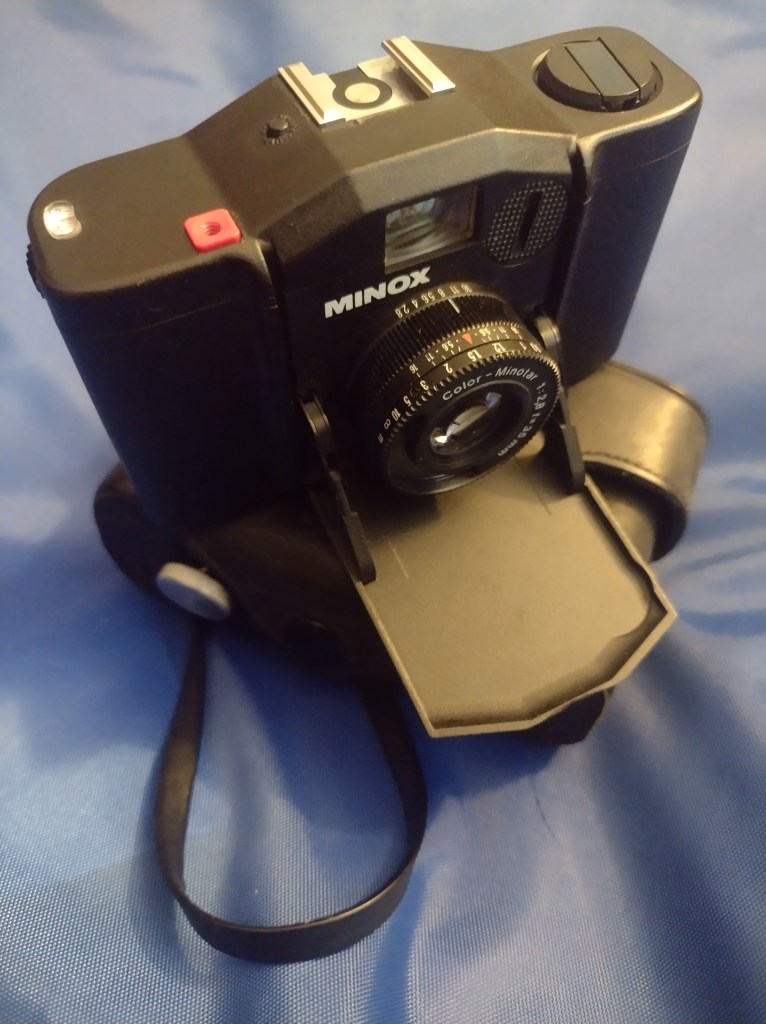
Ze super secretive stealth agent, who can never tell ze rest of ze family what zey have been doing, is ze Minox 35 EL. Minox is famous for James Bond and other action heroes producing the matchbox-sized camera out and clicking off forbidden photos of attack plans or secret weapon blueprints. In 1973, the company released this camera at about the size of three film rolls next to each other. Apparently, its size still gained favor with CIA and agents or investigators of other agencies.
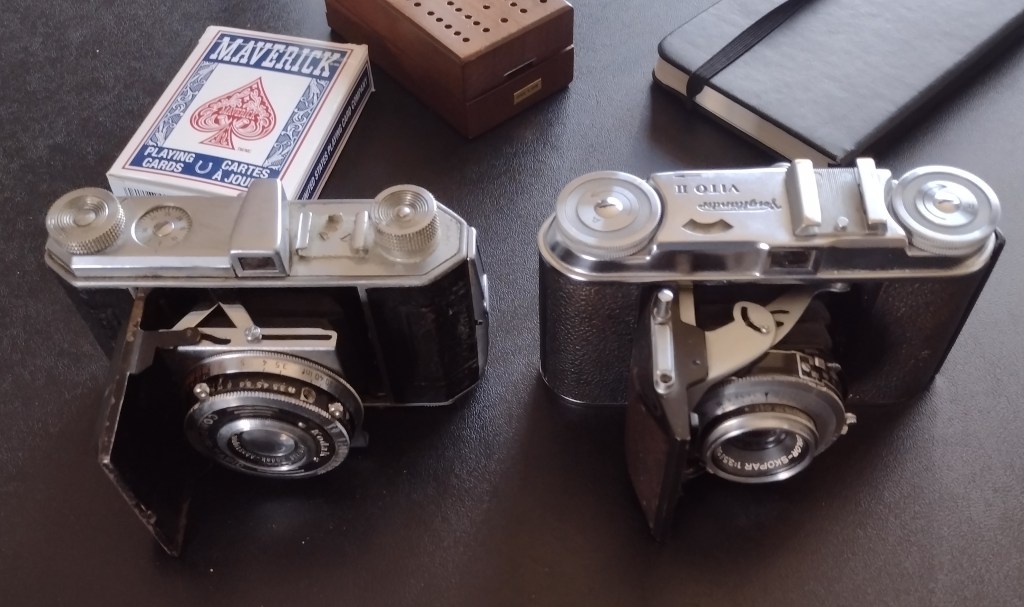
The two brothers from the Vaterland are the Voigtlander Vito II and the Kodak Retina type 1. My dad brought a Vito II with him from his Army service in Intelligence, as post war tensions began revealing the coming Cold War. Voigtlander is the oldest camera company, and is still manufacturing high end lenses. The Kodak Retina, in its earliest version, was used by Sir Edmund Hillary on his summit of Everest, demonstrating what both cameras offer: durability in solid design and build. The pair look similar, so I gained their attention and sat them still together long enough to capture a quiet moment.
We welcome the variety in our growing family. Most will be able to capture light in analog chemical preservation for years to come. A lens. A box that opens and shuts. Light gets caught, like so much of a mousetrap. A visual memory is made. Go figure. What will they think of next, boxes that you talk into at one place, while another person (or pet) listens and talks back from another place? Nah, that’s too far fetched.
Neither George Jetson nor Fred Flintstone would expect that to ever happen.
 Tamed Along Life Trails